If you’re researching Niagara-on-the-Lake real estate, you’re likely looking for more than just a house. This community offers a unique combination of historic character, beautiful landscapes, wineries, restaurants, trails and a slower pace of life that attracts buyers from across Niagara and Southern Ontario.
But buying a home in Niagara-on-the-Lake is different from buying in a larger urban centre. The Town of Niagara-on-the-Lake includes several distinct areas, and the right location can depend heavily on your lifestyle, property goals and long-term plans.
Whether you’re looking for a historic home in Old Town, a newer property in Garrison Village, a family home in Virgil or a scenic property near the Niagara Parkway, understanding the differences between these areas is an important first step.
Why Buy Niagara-on-the-Lake Real Estate?
One of the biggest advantages of Niagara-on-the-Lake real estate is the variety of lifestyles available within a relatively small geographic area.
Buyers can choose from historic properties, modern detached homes, townhomes, low-maintenance properties and homes surrounded by gardens, vineyards and open space.
The area is also known for its connection to wine country, heritage architecture, outdoor recreation and tourism.
For many homeowners, the attraction isn’t simply the property itself. It’s the lifestyle that comes with living in the community.
Old Town Niagara-on-the-Lake
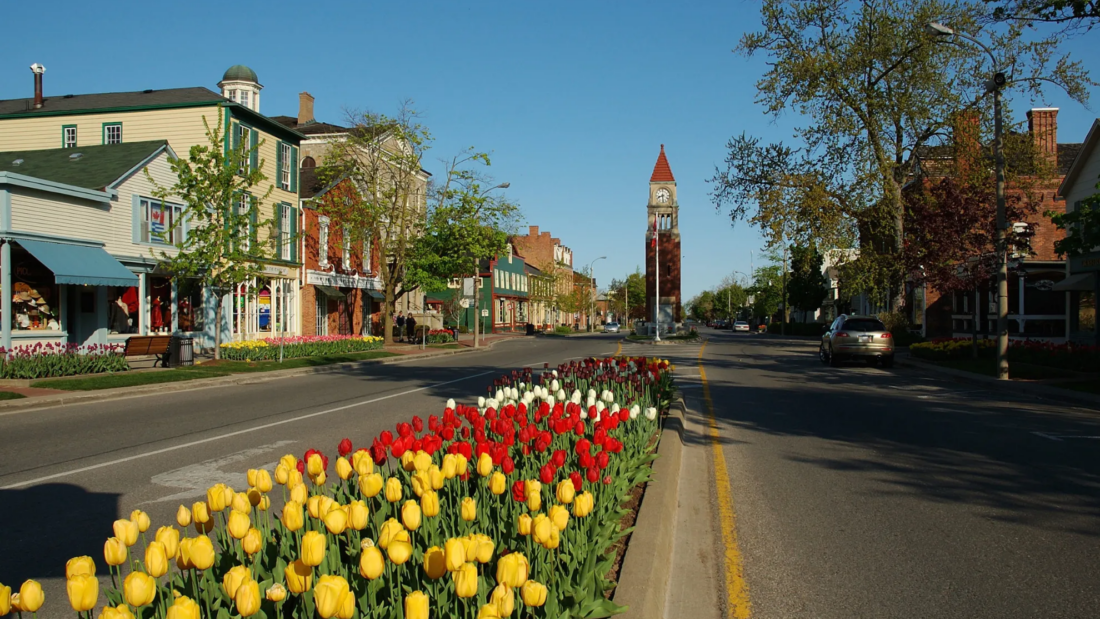
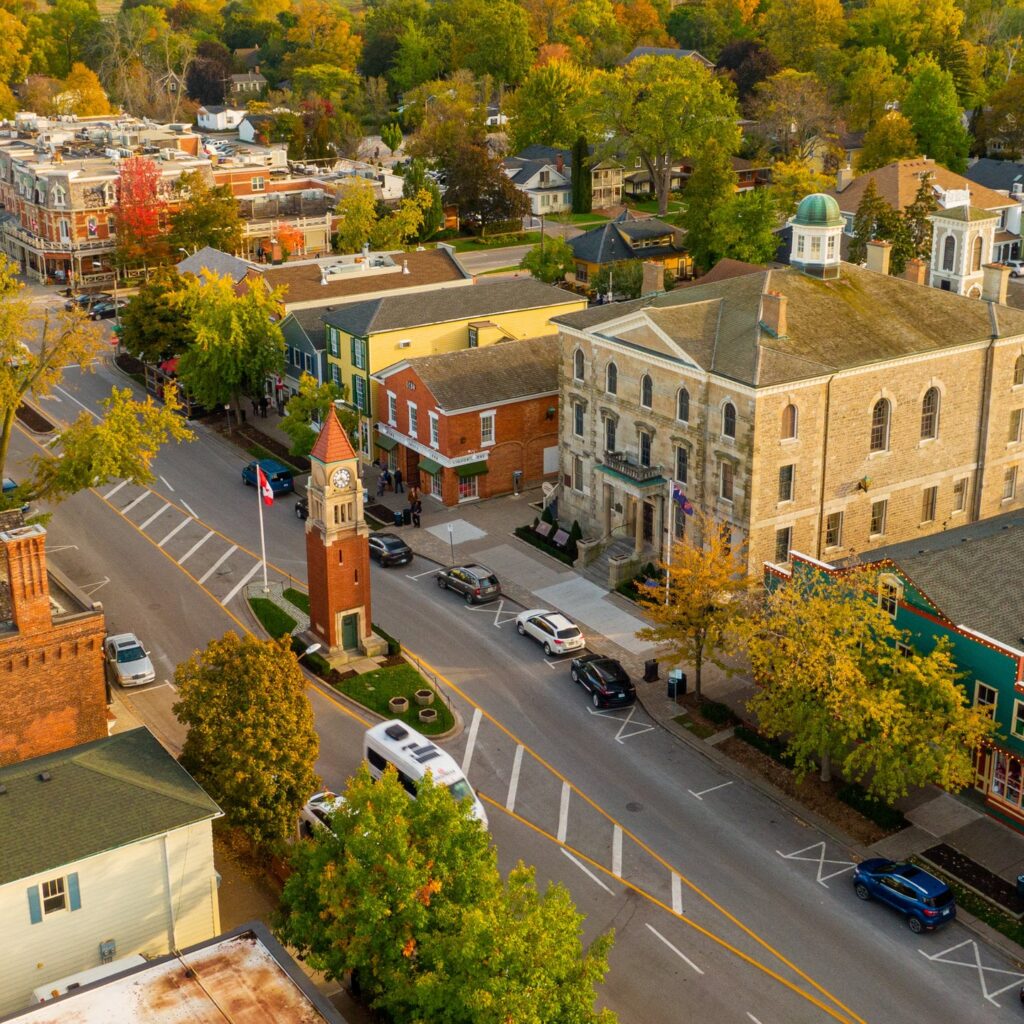
Old Town is perhaps the most recognizable part of Niagara-on-the-Lake.
Its historic streets, mature trees, heritage architecture, restaurants and proximity to the waterfront make it particularly appealing to buyers looking for character.
Homes in this area can have features that are difficult to replicate in newer construction, including mature landscaping, traditional architecture, larger lots and historic details.
However, buyers considering an older home should look beyond the aesthetics.
Before purchasing, it’s important to understand the property’s condition, renovation history, potential maintenance requirements and any restrictions that may apply to the property.
A beautiful historic home can be an incredible purchase, but it should still be evaluated as carefully as any other property.
Garrison Village
For buyers who want Niagara-on-the-Lake without necessarily wanting a historic property, Garrison Village can offer a different style of living.
The community includes more modern homes and is particularly attractive to buyers who want a residential neighbourhood with access to the amenities and lifestyle associated with Niagara-on-the-Lake.
Ken’s current listings demonstrate the variety available in this part of the market, including renovated detached properties in Garrison Village.
For buyers, the key consideration is how the home fits your daily routine.
Think about:
- How much space do you need?
- Do you want a detached home or lower-maintenance property?
- How important are walkability and nearby amenities?
- Do you want a newer home or character property?
- How long do you expect to stay?
These questions can help narrow your search considerably.
Virgil and the Surrounding Area
Virgil is another important area to consider when searching for Niagara-on-the-Lake homes for sale.
It can appeal to buyers who want a more residential environment while remaining close to the broader Niagara-on-the-Lake community.
For families, downsizers and buyers looking for more conventional residential properties, expanding your search beyond Old Town can open up additional options.
The right neighbourhood isn’t necessarily the one with the most recognizable name. It’s the one that fits the way you actually live.
The Niagara Parkway Lifestyle
For some buyers, proximity to the Niagara Parkway is a major attraction.
The Parkway corridor offers scenic surroundings, access to trails and proximity to the Niagara River. Ken’s area guide describes the corridor as having limited development and a particularly scenic setting.
Properties in this area can be highly distinctive, so buyers should understand that location-specific factors may play a significant role in the purchase.
If you’re considering a property near the river or other environmentally sensitive areas, your REALTOR®, lawyer and other appropriate professionals can help you investigate the property’s specific circumstances before you commit.
What Should You Consider Before Buying Niagara-on-the-Lake Real Estate?
Buying Niagara-on-the-Lake real estate isn’t just about finding a beautiful home.
Here are several factors worth considering.
1. Property condition
Older homes can have tremendous character, but they may also require more maintenance.
Look carefully at the roof, windows, foundation, electrical, plumbing, HVAC system and other major components.
2. Lot size and maintenance
A large garden may be one of the reasons you fall in love with a property.
But ask yourself whether you actually want to maintain it.
A beautiful property that requires more work than you have time for may not be the right fit.
3. Location
Consider how often you’ll travel outside Niagara-on-the-Lake for work, family commitments, shopping or other activities.
A property that feels perfect during a weekend viewing may feel very different when you’re living there every day.
4. Future plans
Are you buying for the next three years, ten years or the rest of your life?
Your answer can change what matters most.
A young family may prioritize schools and space, while a retiree may prioritize accessibility and maintenance.
5. Resale appeal
Even if you aren’t planning to sell soon, it’s worth considering what future buyers may value.
Location, condition, layout, parking, outdoor space and overall functionality can all influence future marketability.
Is Niagara-on-the-Lake Right for You?
The best way to answer that question is to spend time in the community before making a decision.
Visit different neighbourhoods at different times of day. Drive the routes you’ll use regularly. Explore local amenities. Walk the streets.
Think about what an ordinary Tuesday, not just a beautiful Saturday, would look like there.
That’s often when buyers discover whether a community truly fits their lifestyle.
Final Thoughts on Niagara-on-the-Lake Real Estate
Niagara-on-the-Lake real estate offers something that can be difficult to find elsewhere: a combination of history, natural beauty, residential communities and lifestyle appeal.
But the community isn’t one-size-fits-all.
Old Town, Garrison Village, Virgil and the Parkway each offer a different experience, and the right choice depends on what you’re looking for in your next home.
If you’re considering buying a home in Niagara-on-the-Lake, working with someone who understands the differences between local neighbourhoods can help you make a more informed decision.
Ken Peterkin brings more than 20 years of experience and local expertise to the Niagara Region real estate market, with full transaction support from the initial search through closing.
Ready to explore Niagara-on-the-Lake real estate? Contact Ken Peterkin to discuss what you’re looking for and which areas may be the best fit.
Frequently Asked Questions
Is Niagara-on-the-Lake a good place to buy a home?
Niagara-on-the-Lake can be an attractive choice for buyers who value historic character, outdoor recreation, wineries, restaurants and a quieter community lifestyle. The best neighbourhood depends on your budget and lifestyle.
What are the best areas of Niagara-on-the-Lake to live in?
Popular areas include Old Town, Garrison Village, Virgil and properties along or near the Niagara Parkway. Each area offers a different type of lifestyle and housing.
Are there historic homes for sale in Niagara-on-the-Lake?
Yes. Old Town is particularly known for historic architecture and character properties. Buyers should carefully investigate the condition and any applicable property restrictions before purchasing.
Should I work with a local REALTOR® when buying in Niagara-on-the-Lake?
A local REALTOR® can provide neighbourhood-specific guidance, help identify suitable properties and assist with the purchase process from offer through closing.